Silvan Pfirrmann

Silvan Pfirrmann is CEO of PLUS4DATA GmbH and an expert in industrial data management in OT environments. With a background in automation technology and many years of experience in maintenance and project planning, he helps companies keep their production data structured, secure, and continuously available.
His focus is on vendor-independent backup and versioning concepts that enable fast recovery and minimize production downtime. With eguide4DATA, he drives the standardization and transparency of automation data management.

Industrial factory environment showing two different machine parks merging, with legacy PLC systems on one side and modern automated production with centralized data visualization on the other, illustrating OT data backup and system integration chall

OT data backup in corporate acquisitions: When two machine parks meet

In industrial acquisitions, finances, processes, and IT are carefully reviewed. The machine park is often only evaluated after closing – and then it becomes clear: there is a lack of transparency, structure, and reliable data. This is not an isolated case, but a structural problem that can significantly slow down integration.

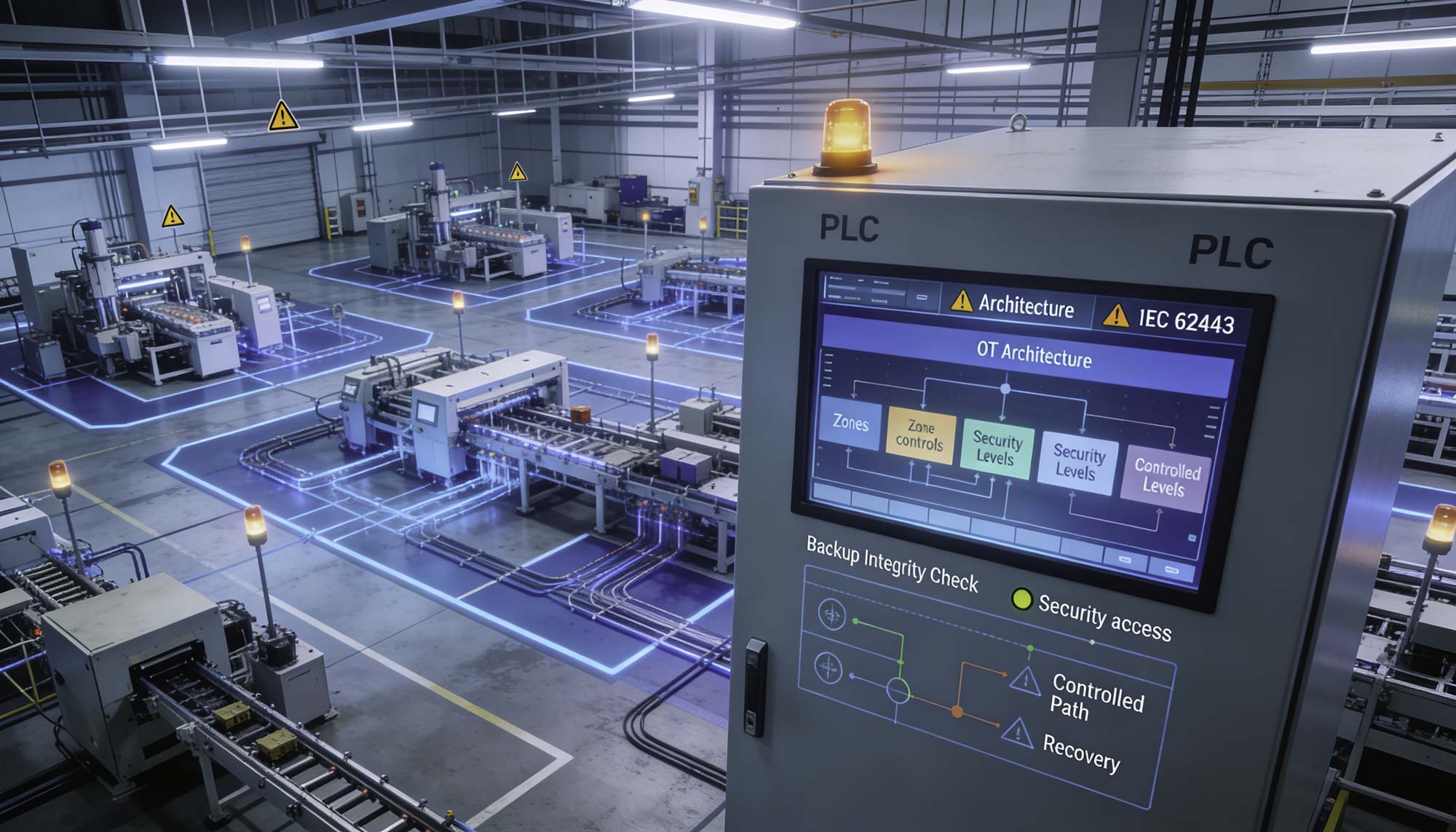
industrial production environment with PLC control cabinet and digital interface displaying OT architecture, security zones and backup integrity concepts according to IEC 62443

IEC 62443 for Beginners: What Manufacturing Companies Need to Do Now

IEC 62443 is the most important security standard for industrial automation systems—and at the same time one of the most misunderstood. Most content on the topic is written for standards specialists, not for production managers. This article explains what IEC 62443 actually means, which requirements directly affect your OT backup concept—and how to get started without an external consulting budget.

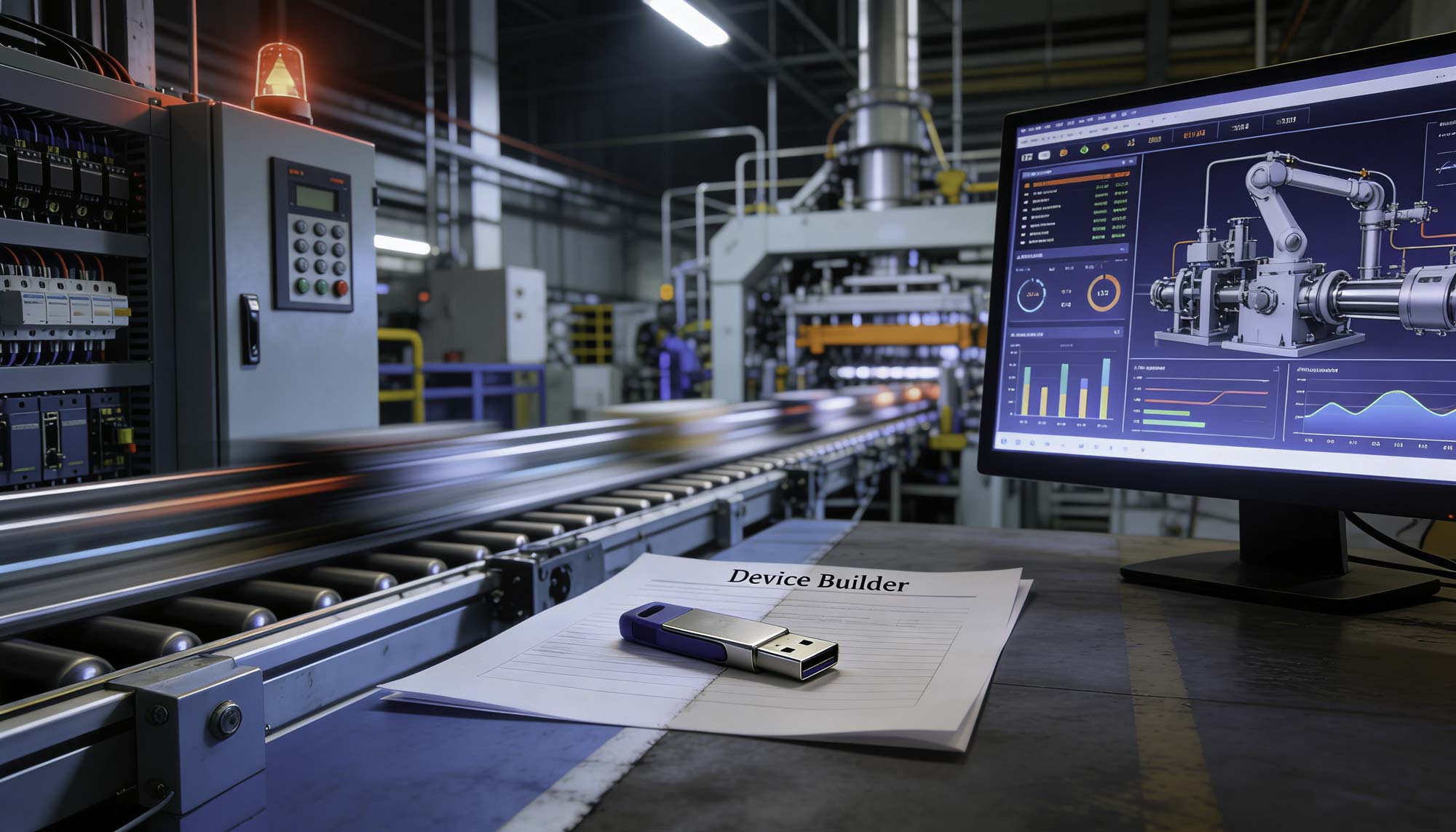
USB drive on machine handover document in an industrial production environment with control cabinet and monitoring screen, representing unclear responsibility for OT backup between machine builder and operator

Machine manufacturer or operator: Who is responsible for OT data backup?

A new machine is delivered. The machine manufacturer has configured everything, the program is running. They leave the plant – and leave behind a USB stick with the program version. What happens next: The machine runs for years. The version is never updated again, never checked. And no one has clarified who is responsible for data backup. Until the machine fails. Then the dispute begins.

USB drives as a risk in OT backup processes

Why USB sticks in OT are the greatest risk to your production

It is a practice that exists in almost every production environment: device states are stored on USB sticks, tucked away somewhere in a drawer – and then comes the day when the plant stops and no one knows where the stick is. Or it is empty. Or it contains the state from two years ago. USB sticks as OT backups are not only unreliable – they are an active security risk. Why this is the case – and what the alternative looks like.

Audit-Situation in einer automatisierten Produktionsumgebung mit OT-Systemen und Dashboard für Backup, Wiederherstellung, Dokumentation und Asset-Inventar

Passing an OT Audit: What auditors really want to see in your production

An OT audit is no longer a paper tiger. Since NIS2, stricter requirements apply – and in the event of deviations, noticeable consequences are imminent. Many manufacturing companies underestimate a crucial point: auditors do not only evaluate the technology used, but above all evidence, processes and documentation. This article shows what really matters in the audit, where typical weaknesses lie and how you can prepare in a targeted manner.

OT audit in a smart factory control cabinet with eguide4DATA

Ransomware hits production: What happens when OT devices are no longer operational?

A cyberattack on a production facility sounds like science fiction – until it happens. Ransomware attacks on OT environments have tripled over the past three years. What many do not know: Classical IT protection concepts do not work in production. This article explains how attackers proceed, why OT devices are particularly vulnerable – and what a clean OT backup means in an emergency.

WordPress Cookie Notice by Real Cookie Banner